

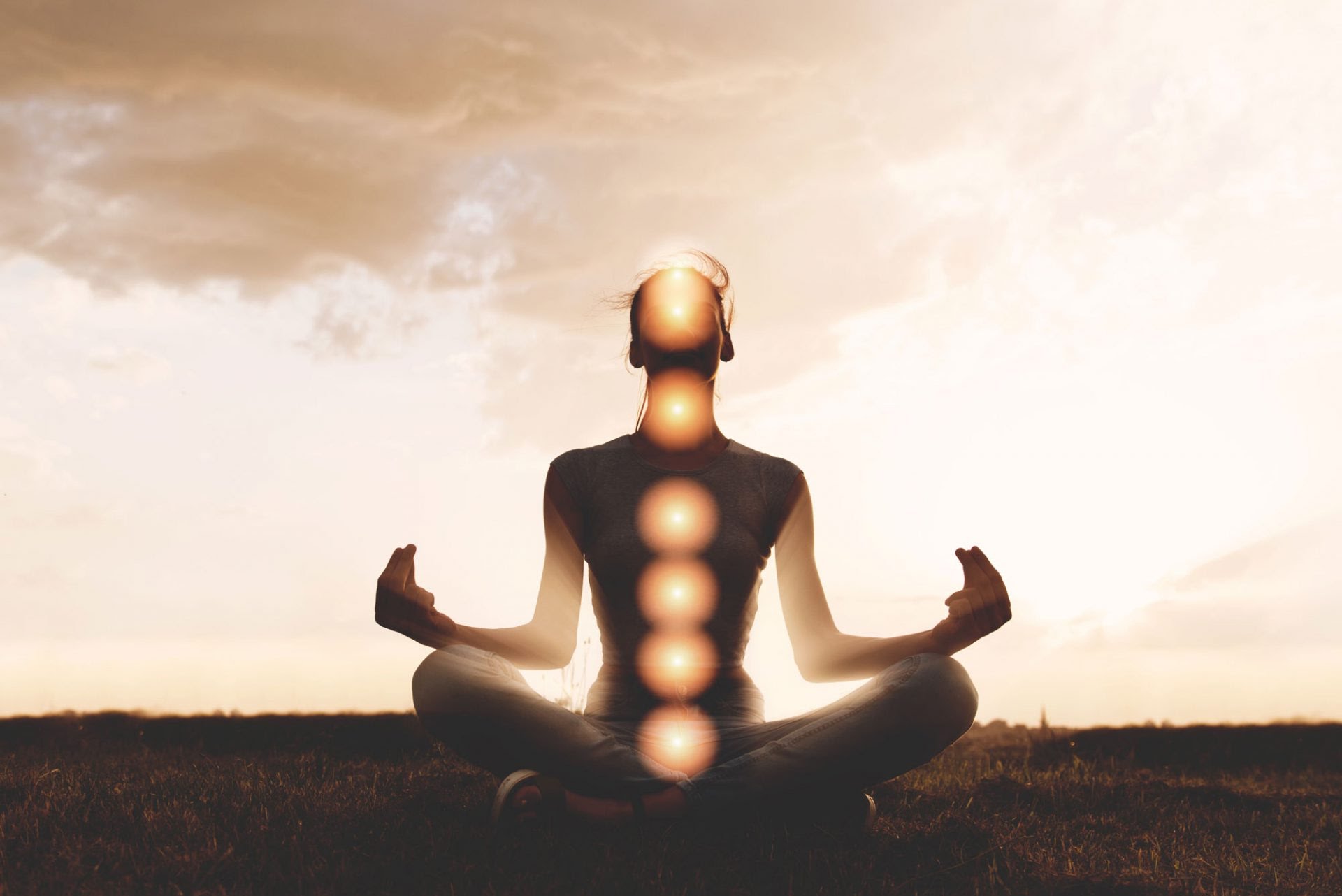
Meditation is not only a technique, but a journey inward. In life there are countless types of meditation, each practice has its own character, but all converge on a shared aim: calming the mind, purification, and developing wisdom. If you are just starting, do not worry about choosing the right practice immediately. Practice first, then return to learning deeply about each type of meditation.
1. Concentration meditation and insight meditation: Two foundational concepts
In the book A User’s Guide to Your Mind, meditation is broadly divided into meditation (mental concentration) and insight meditation (contemplation of the mind):
- Meditation is like making a glass of water still so sediment settles. When the mind is concentrated, the upper water becomes clear and clean.
- Insight Meditation is the next step: observing and transforming that sediment, returning it to emptiness.
In other words, concentration meditation stops agitation; insight meditation transforms the unconscious nature of karma and negative emotions.
2. A broad classification of meditation types
There are hundreds, even thousands, of meditation methods in the world, from Vipassana meditation, Transcendental Meditation, Healthfulness meditation, Awakening Meditation, to Anapanasati meditation, etc. However, essentially, for a quick understanding, types of meditation can be divided into:
- Mind-settling meditation (calm-abiding meditation): gathering the mind at a single point for stillness.
- Mindfulness meditation (insight meditation): observing more broadly—the whole body, breath, sensations, thoughts—without reacting.
- These are two basic classification frameworks, but each contains countless smaller branches suited to different individuals.
- The roles of concentration meditation and insight meditation
- Meditation: stop wandering thoughts, helping the mind settle on an object (breath, light, sound, movement). When the mind becomes still, unconscious sediment (memories, karma) settles.
- Insight Meditation: separate the clear part from the dirty part, then burn impurities with the “fire of wisdom.” This helps awareness actively untangle problems, release negative emotions, and integrate necessary spiritual lessons.
To practice active insight meditation, consult The Awakening Journey – a meditation method consisting of 6 steps, combining concentration and wisdom, helping you connect with the “Inner Teacher” and receive guidance from unconscious wisdom.
3. Four main types of meditation
Below are four types meditation basic types of meditation described in the book, suitable for beginners and experienced practitioners:
3.1. Breath meditation (Anapanasati)
- Audience: breath through the nose.
- Practice: observe the rhythm of inhalation and exhalation, long or short, deep or shallow.
- Effects: gather the mind at one point, helping calmness and concentration develop.
“To live is to breathe; as you breathe, is there anything for you to untangle?” – When the mind does not react, the unconscious cleansing mechanism starts on its own.
3.2. Light meditation (Visualization)
- Audience: an image of light in the mind.
- Practice: visualize a bright ray or light bulb, observing its intensity, color, and spread.
- Effects: combining concentration and insight, making the mind supple and supporting direct inner perception.
Not everyone visualizes easily; if you struggle, return to breath meditation until proficient, then try again.
3.3. Mantra meditation
- Audience: sound—chanting or a mantra.
- Practice: recite the name of an enlightened being (such as “Amitābha Buddha”) or a short mantra silently or aloud.
- Effects: sound overrides wandering thoughts, giving the mind a refuge and making concentration accessible to the public.
The Pure Land school is a prominent example, making spirituality accessible to ordinary people.
3.4. Walking meditation (Moving meditation)
- Audience: the body's movement while walking.
- Practice: open your eyes, walk slowly, and observe the feeling of your feet touching the ground and the sequence of arm and leg movements.
- Effects: bring awareness into action and train concentration while moving, suited to people who find sitting still difficult.
4. Which type of meditation should you choose?
Each person has a different innate nature:
- If you prefer stillness, you can begin with breathing meditation.
- If you are a visual person, light meditation may be the key.
- If you are easily distracted and enjoy sound, mantra recitation meditation cannot be overlooked.
- If you enjoy movement, walking meditation will bring a profound experience.
Do not cling too tightly to names: concentration meditation and mindfulness meditation inherently complement each other. Often, you only need a clear object and then calmly observe — that is the core of every type of meditation.
5. Who is meditation for?
There is a misconception that meditation is only for an “elite,” monastics, or people with spare time for spiritual practice. In fact:
- Meditation is innate: You have breathed since birth, so you are meditating.
- Everyone can meditate: Meditation needs only the breath or a simple object.
- Practical benefits: relax for 15 minutes during work, reducing stress and increasing work effectiveness.
“Meditation is not for a minority, but for everyone.”
Therefore, begin today, right where you sit, with the types of meditation suggested above.
6. Advance with Awakening Meditation and Teacher Tạ Minh Tuấn
If you want to go deeper into active insight meditation, learning how to awaken spiritual lessons, learn about Dharma Awakening Meditation of Teacher Tạ Minh Tuấn:
- The Book “Anyone Can Meditate” provides a foundational path, practical exercises, and scientific research on the brain and hormones.
- The Awakening Journey a detailed guide to 6 steps of concentration and insight meditation, helping you connect with unconscious wisdom and the “Inner Teacher.”
- The book is available at: https://books.inti.foundation/
- download the Awakening Meditation App – thienthuctinh.com with guided meditations from basic to advanced.
Teacher Tạ Minh Tuấn — entrepreneur, educator, and spiritual guide — has accompanied thousands of students, helping them rediscover themselves through types of meditation and Awakening Meditation.
Conclusion
Mastering types of meditation is not the ultimate goal, but allows you to freely choose a suitable practice and begin the journey of awareness. Try each form of meditation, observe and listen to its effects, then find your soul's own path.
Everyone can meditate, and only through practice can you fully experience the value of each method. May you have moments of peace and elevation with meditation every day!